Checking loops · In your words
“I check the locks and the oven again and again, and I'm still not sure”
The third trip back to the front door. The photo of the hob you'll check from the train.
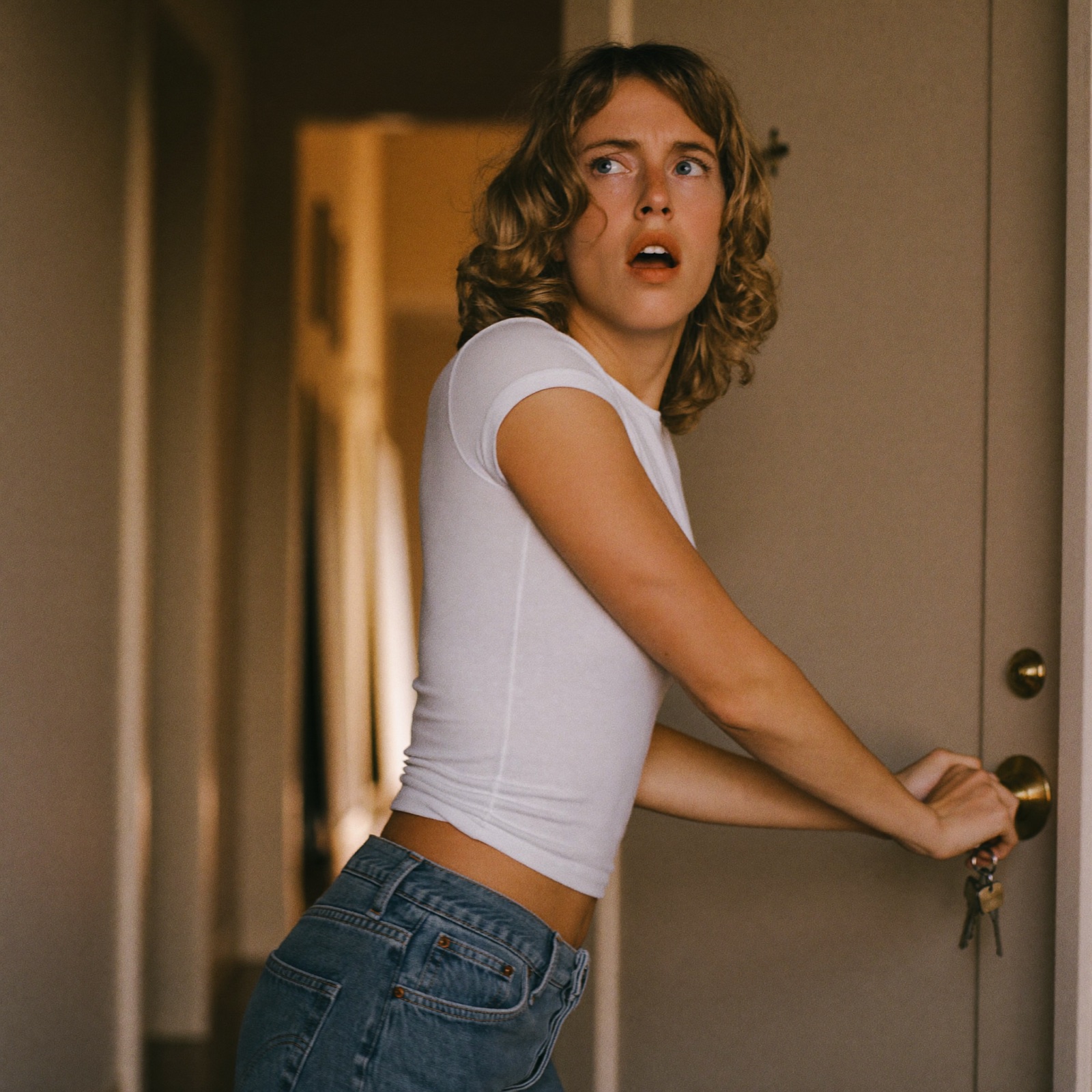
You locked the door. You felt it lock. You pushed it, twice. And halfway down the path the question arrives anyway: but did I? So you go back. You watch yourself lock it this time, really concentrating. On the train the oven joins in, then the straighteners, then the tap in the bathroom. Some days you photograph the hob before leaving, and some days the photo doesn't help either, because what if it's from yesterday?
Here's the strangest, most important fact about this loop: the more you check, the less certain you feel. That's not you failing at checking. That's how checking works.
What this loop actually is
The checking loop runs on a catastrophic 'what if': the house burns down, the flat floods, the burglary happens, and it's my fault, because I could have prevented it. The doubt creates real dread, the check relieves it, and the relief convinces your brain the check was necessary. So the doubt returns sooner, sharper, and hungrier.
Worse, repeated checking actually corrodes memory confidence. When you check the same lock five times, the five memories blur together, and the act becomes automatic instead of vivid. You genuinely remember it less clearly, which the loop reads as reason to check a sixth time. It's a machine that manufactures the very doubt it promises to fix.
Why the rituals grow it
Every ritual, the triple push, the photo, the counting, the 'I'm watching myself do this' ceremony, raises the bar for what feeling sure requires. First one check was enough. Now it's three, plus the push, plus the photo. Certainty keeps moving because certainty was never the product; relief was, and relief has a shrinking half-life.
The costs stack up quietly: the twenty minutes added to leaving the house, the lateness you keep explaining, the trips back that make you look flaky, the low hum of dread whenever you're the last one out. Some people start avoiding being the last one out at all, which hands the loop the keys.
What graded practice looks like for checking
The practice is one good check, then done, and then riding the doubt-wave without going back. A ladder makes it graded: start with something low-stakes, check the bathroom tap once and leave the room for ten minutes without returning. Then the straighteners: once, out of the house, around the block. Then the front door: one check, no push-push-push, walk away at normal speed. Then the full leave-for-work with a single lap of checks and no photos.
The wave of doubt will come; that's the point. You let it shout 'go back' and you keep walking, and somewhere down the road it stops, because unanswered alarms always do. Each time, your brain logs the real lesson: the discomfort was survivable and the house was fine. Rate the doubt before and after so you can watch it shrink across a week of practice.
One small first step
Tomorrow morning, pick your least scary check and make it 'once, with attention': do it slowly, say out loud 'the oven is off,' and leave the room. When the urge to re-check arrives, give it a nickname ('there's the echo') and let it pass without a hearing. One survived echo is the entire method in miniature.
You don’t have to figure this out in your own head
Steady is a warm voice you talk with, out loud. Say what’s looping, map it together, and practice the first small step, today, free, no card.
Steady is not a therapist or crisis care. It’s a self-guided practice companion, and in a crisis it will point you to real human help.
What people with this also experience
Mental checking
Reviewing the memory of locking the door instead of walking back, running the tape to feel sure. Same loop, no shoes required. It responds to the same practice: one review at most, then let the doubt hum.
Asking others to confirm
Texting 'did you see me lock up?', asking your partner to do the last-out ritual. Outsourced checks are still checks, and the reassurance page covers that cousin loop in full.
Contamination-flavoured checks
Did the raw chicken touch the counter, is the surface really clean, did I wash properly? Where checking meets contamination, both pages apply, and the ladder can hold rungs from each.
Questions people ask
Isn't checking the door just being responsible?+
Once, yes. Responsibility checks once and moves on. The loop's version has different fingerprints: repetition, rituals, relief that doesn't last, and doubt that grows with every pass. If checking made you certain, you'd have been certain years ago.
What if I really did leave the oven on one day?+
Then you'd deal with it, like the millions of people who occasionally leave an oven on and whose houses are overwhelmingly fine. The loop sells a world where one missed check equals catastrophe and it's all on you. Practicing 'one check, then live' is also practicing a truer sense of how risk and responsibility actually work.
Do the photos of the hob count as checking?+
Yes, and they're a classic escalation: a portable re-check you can perform forever. Notice that the photos stopped settling it too. On the ladder, retiring the camera is its own rung, usually an easier one than people expect.
How does Steady help with this?+
You tell Steady, out loud, exactly what your leaving-the-house sequence looks like, build a ladder to shrink it, and practice the walk-away with a warm voice coaching you through the echo. Steady is a practice companion using exposure-based practice, not a therapist, and it will remind you of that itself.
Ten minutes from now, it could be out of your head
Say hello, say what's looping, and feel what it's like to have a warm voice on your side. The first million places are open — answer nine questions and you’re in. Free, no card, adults 18 and over.