Social replay · In your words
“I replay conversations for days and cringe at things nobody else remembers”
The 1am post-match analysis of a chat that lasted ninety seconds.
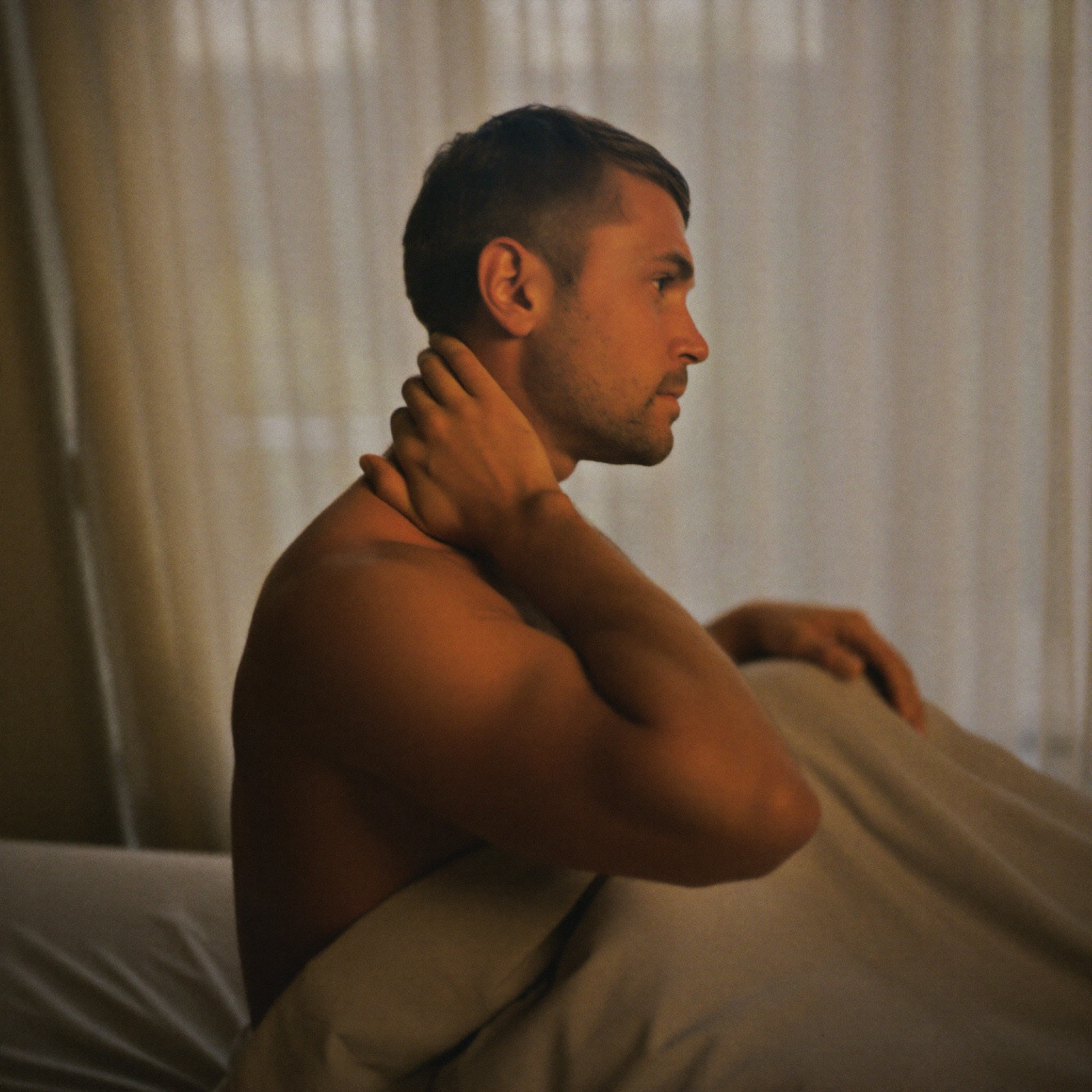
The meeting ended hours ago, but your head is still in the room. Why did I say that? Did she pause because I was weird? I talked too much. I laughed at the wrong moment. You run the tape again, frame by frame, hunting for the exact second you embarrassed yourself, and every replay finds new evidence. By midnight you've drafted three apologies you'll never send for an offence nobody noticed.
This is the social replay loop, and it has one revealing feature: the post-mortem never actually closes the case. It just books tomorrow's hearing.
What this loop actually is
Social anxiety runs on a prediction: if I'm not careful, people will see something wrong with me and reject me. Before an event it fuels rehearsal. During, it splits your attention, half on the chat, half on monitoring yourself from the outside. After, it runs the replay: reviewing the footage for crimes, which always works, because footage reviewed by a prosecutor always produces charges.
The replay feels like learning. It isn't. Memory under anxiety is a hostile editor: it deletes the normal minutes, zooms in on the wobble, and adds a soundtrack. You aren't reviewing what happened. You're reviewing the fear's cut of what happened.
Why avoidance and safety habits grow it
The obvious avoidance is declining invitations. But this loop mostly grows through subtler moves: rehearsing every sentence before you say it, keeping opinions vague, staying quiet in meetings, being the person who asks questions so they never have to be the topic. Every safety habit gets you through the event and tells the alarm the event was dangerous.
And the replay itself is avoidance in disguise. As long as you're analysing Tuesday, you're not feeling the raw thing underneath: the possibility that someone might think less of you and you'd have to live with not knowing. The loop would rather run the tape forever than sit with that for ten minutes. Which is exactly why sitting with it is the way out.
What practice looks like for the replay loop
Two ladders, climbed together. The first is social: doing graded, chosen things where imperfection is possible. Ask an obvious question in a meeting. Give an opinion you haven't polished. Tell a story without checking anyone's face mid-sentence. Small rungs first, harder ones as the evidence builds that wobbles cost less than predicted.
The second ladder is about the replay itself: catching the post-mortem starting and declining to attend. Not by force ('stop thinking about it' famously fails) but by letting the cringe-wave be there, unanalysed, while you do something real. The urge to review is just an urge. Like every wave, it peaks and passes when it stops getting fed.
The measure of progress isn't 'no awkward moments.' It's awkward moments that cost you an hour instead of a week.
One small first step
Tonight, if the replay starts, give it one honest sentence instead of an hour: 'Something might have been awkward, and I'm choosing not to investigate.' Say it out loud if you can. Then notice the itch to re-open the case, and let the itch fade on its own timetable. That single unattended post-mortem is rung one.
You don’t have to figure this out in your own head
Steady is a warm voice you talk with, out loud. Say what’s looping, map it together, and practice the first small step, today, free, no card.
Steady is not a therapist or crisis care. It’s a self-guided practice companion, and in a crisis it will point you to real human help.
What people with this also experience
Pre-event rehearsal
Scripting the anecdote, pre-loading questions to ask, planning your seat. The bookend of the replay: the loop working the case before it happens. Same fear, same practice: go in slightly under-rehearsed, on purpose.
Message-checking and editing
Reading your sent texts again to see how they landed, drafting a two-line email nine times, the '. . . did that emoji look sarcastic?' spiral. It's the replay loop in writing.
General rumination
If your brain also runs post-mortems about decisions, work, or life itself, you've got a general rumination habit and the replay is one channel of it. The rumination page digs into that engine.
Questions people ask
Doesn't reviewing conversations help me improve socially?+
A one-minute honest reflection ('I interrupted Sam, I'll watch that') is useful and finishes. The loop's version is a repeating trial with no verdict, no new information after the first pass, and a worse mood every lap. If it loops, it isn't learning.
What if people really did think I was weird?+
Maybe someone did; that's the uncertainty the loop can't stand. But run the numbers on your own side: how many of other people's awkward moments do you remember from last week? The spotlight you feel on yourself is one you're holding.
Why does the cringe hit hardest at night?+
No competition. During the day, life crowds the replay out; at night the tape gets the whole cinema. It's also why practicing the 'unattended post-mortem' at bedtime, once you're ready for that rung, is such a strong move.
How does Steady help with this?+
Steady is a voice you talk to out loud, which matters here, because the replay lives in your inner voice. You map the loop, build both ladders, and practice letting a cringe-wave pass without analysis, with a warm coach in your ear. Steady is a practice companion, not a therapist, and works well alongside one.
Ten minutes from now, it could be out of your head
Say hello, say what's looping, and feel what it's like to have a warm voice on your side. The first million places are open — answer nine questions and you’re in. Free, no card, adults 18 and over.